Understanding At-Home Mobility Exercises

Explore comprehensive information about flexibility exercises, stretching techniques, and movement practices designed for adults seeking to improve their mobility from the comfort of home.

Educational content only. No medical services. No promises of outcomes.

Learn More
Person performing stretching exercise at home

Introduction to Mobility Exercises

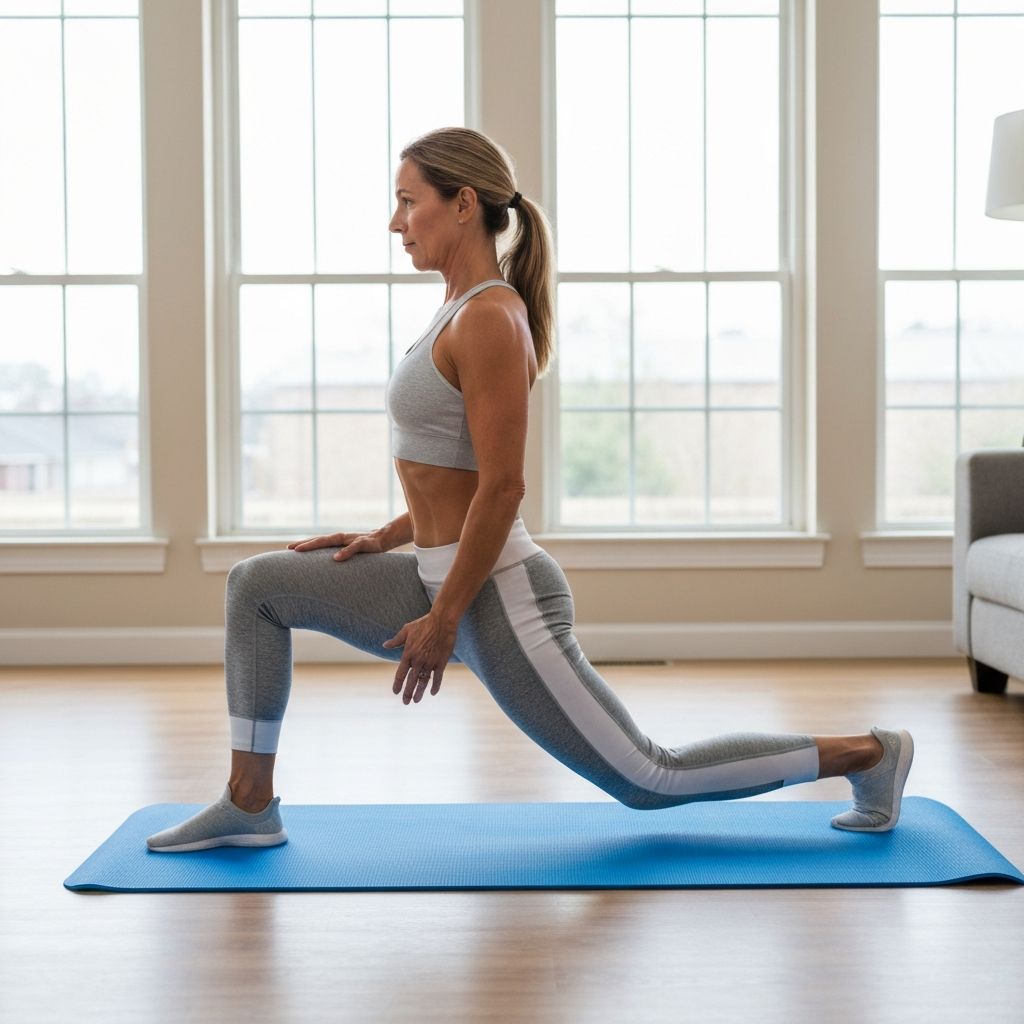
Mobility exercises refer to movements designed to increase the range of motion in joints and improve overall movement quality. Unlike static stretching alone, mobility work often combines controlled movements with gentle stretching to address multiple aspects of physical function.

These exercises have been studied in various contexts and are generally understood to support joint health and functional movement patterns. The scientific literature suggests that regular mobility practice may contribute to maintaining physical function as we age.

This resource provides educational information about different approaches to mobility training, explaining the concepts and techniques that have been documented in fitness and rehabilitation literature.

Explore Techniques


Person demonstrating mobility exercise

Benefits of Regular Home Exercises

Improved Range of Motion

Regular mobility exercises are associated with maintaining and potentially improving the range of motion in various joints, as documented in exercise science literature.

Convenience of Home Practice

Home-based exercise programs offer flexibility in scheduling and eliminate barriers related to gym access, making consistent practice more accessible for many individuals.

Time Efficiency

Many mobility routines can be completed in relatively short time periods, allowing integration into daily schedules without requiring extensive time commitments.

Accessible for Various Fitness Levels

Mobility exercises can often be modified to accommodate different fitness levels and physical capabilities, making them accessible to a wide range of individuals.

Progressive Development

Mobility training typically allows for gradual progression, enabling individuals to advance at their own pace as their movement capabilities develop over time.

Evidence-Based Approaches

Many mobility techniques are informed by research in exercise physiology and biomechanics, providing a foundation of scientific understanding for these practices.

Stretching Techniques Overview

Various stretching approaches exist, each with distinct characteristics. The following overview describes common techniques documented in exercise science literature.

Static stretching demonstration

Static Stretching

Static stretching involves holding a position that lengthens a specific muscle or muscle group for a sustained period, typically 15-60 seconds. This technique has been widely studied and is commonly used in flexibility training programs.

Read detailed instructions
Dynamic stretching demonstration

Dynamic Stretching

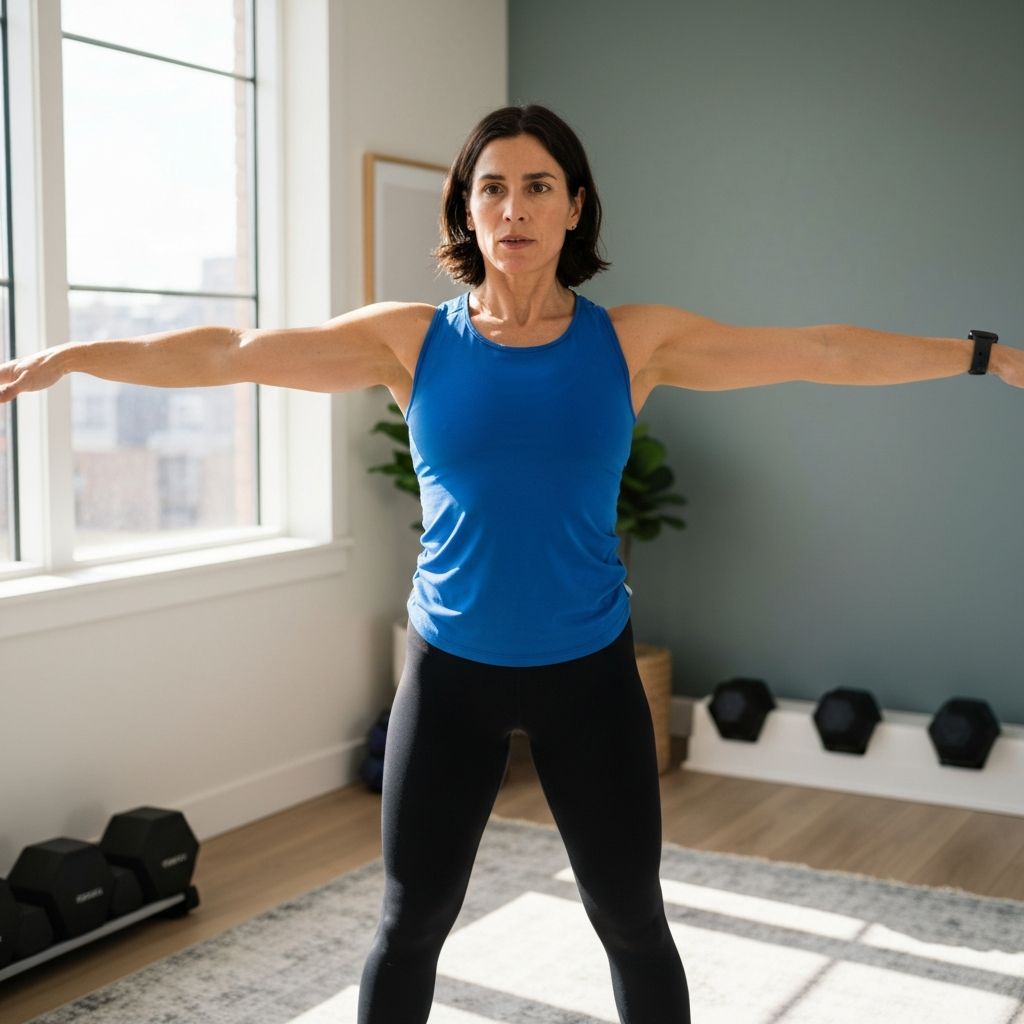
Dynamic stretching uses controlled movements through a full range of motion. Unlike static stretching, these movements are performed actively and are often recommended as part of warm-up routines before physical activity.

Read detailed instructions
PNF stretching demonstration

PNF Stretching

Proprioceptive Neuromuscular Facilitation (PNF) combines passive stretching with isometric contractions. Originally developed in rehabilitation contexts, this technique is considered effective for improving flexibility and range of motion.

Read detailed instructions

Common Mistakes and Safety Tips

Understanding Common Errors

Exercise science literature documents several patterns that may reduce the effectiveness of mobility practice or potentially increase discomfort:

  • Rushing through movements: Moving too quickly can reduce the effectiveness of stretches and may increase risk of strain.
  • Holding breath: Breath-holding during stretching can create unnecessary tension and may elevate blood pressure.
  • Bouncing: Ballistic movements during static stretches may trigger protective muscle contractions.
  • Ignoring discomfort signals: Pushing through pain rather than mild tension may be counterproductive.
  • Inconsistent practice: Irregular practice patterns may limit potential benefits.

General Safety Considerations

The following considerations are generally recommended in exercise literature:

  • Warm up first: Light activity before stretching may help prepare muscles for movement.
  • Move gradually: Progressing slowly into stretches allows the body to adapt.
  • Maintain proper form: Correct positioning may enhance effectiveness and reduce strain.
  • Listen to your body: Distinguishing between productive stretch sensation and concerning discomfort is important.
  • Create appropriate environment: A clear, non-slip surface with adequate space supports safe practice.

Information Context

This content is educational in nature and describes general concepts from exercise science literature. Individual circumstances vary significantly, and this information does not constitute personalized guidance. Different approaches may be appropriate for different individuals based on their specific situations and backgrounds.

Daily Routine Suggestions

Research in exercise adherence suggests that integrating mobility practice into daily routines may support consistency. The following describes common approaches documented in fitness literature:

Morning routines: Some practitioners find that gentle mobility work in the morning helps transition from sleep to waking activity. These sessions are often shorter in duration.

Work break integration: Brief mobility breaks throughout the day, particularly for those with sedentary occupations, are sometimes recommended in workplace wellness literature.

Evening practice: Some individuals prefer mobility work in the evening, finding it helps with relaxation before sleep.

The most effective timing often depends on individual schedules, preferences, and how the body responds at different times of day.

Morning stretching routine

Exercise Categories

Mobility exercises are often categorized by the body regions they primarily address. Each category focuses on different muscle groups and joints.

Upper body mobility exercise

Upper Body

Upper body mobility work typically addresses the shoulders, neck, upper back, arms, and wrists. These areas are often affected by desk work, driving, and other common daily activities.

Common focuses include shoulder rotation, neck mobility, thoracic spine movement, and wrist flexibility.

Explore techniques
Lower body mobility exercise

Lower Body

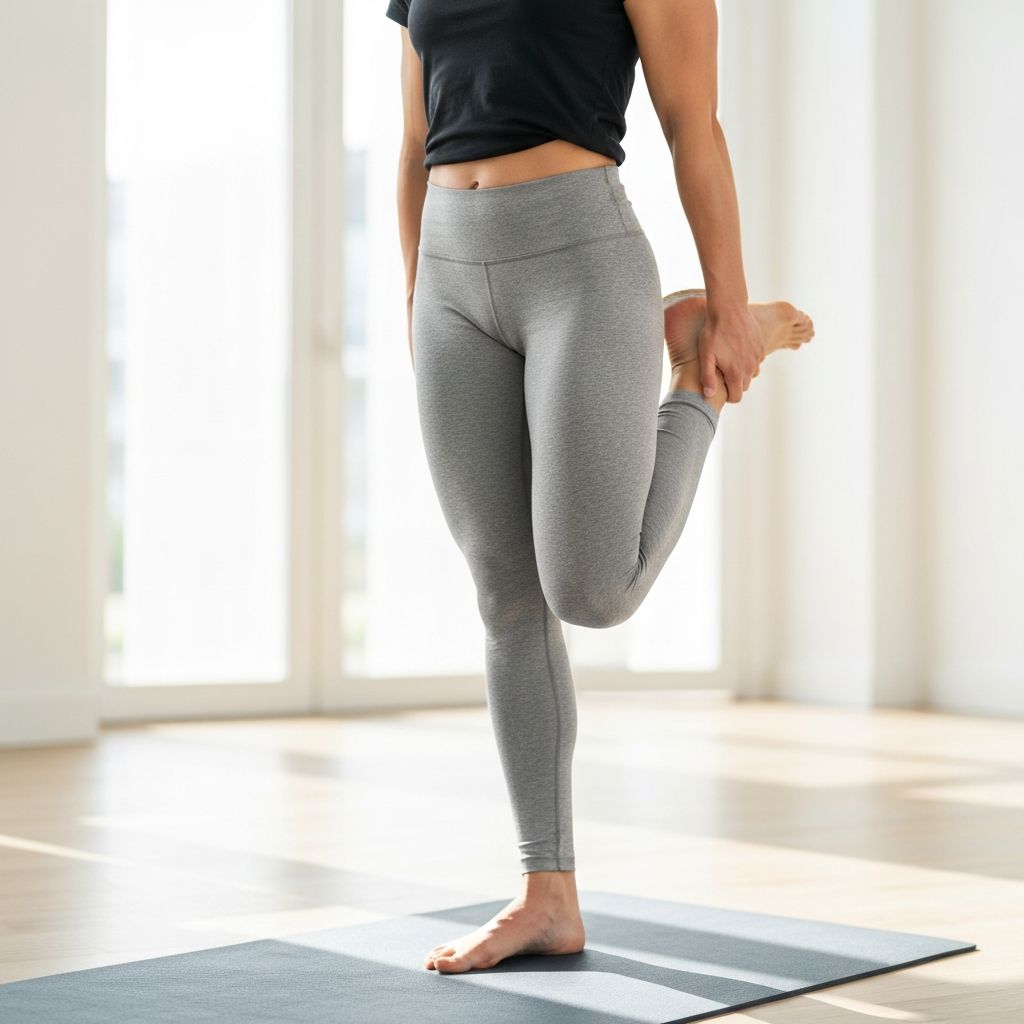
Lower body mobility exercises typically focus on the hips, knees, ankles, and the muscles of the legs. Hip mobility in particular receives significant attention in movement literature.

Common focuses include hip flexor mobility, hamstring flexibility, ankle range of motion, and quadriceps stretching.

Explore techniques
Core mobility exercise

Core and Spine

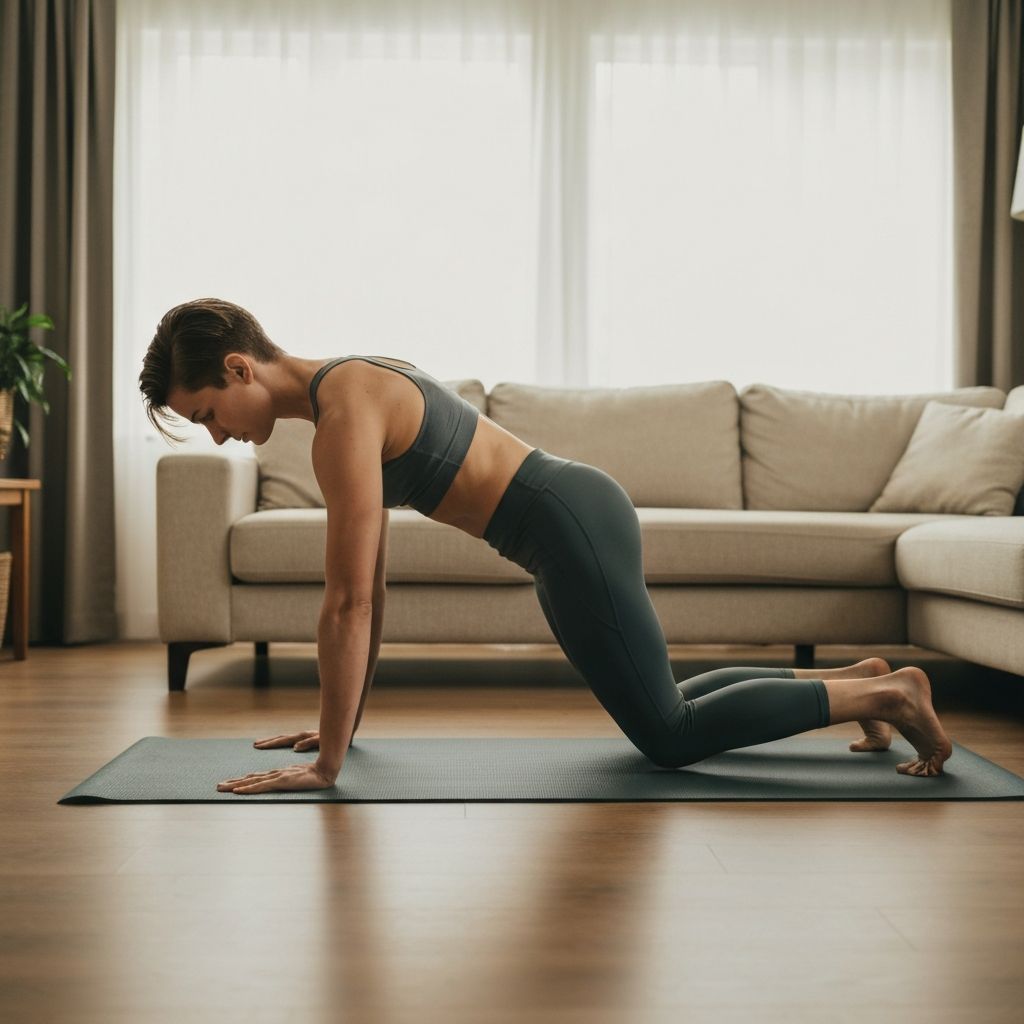
Core and spine mobility work addresses the muscles and joints of the torso, including the lower back, mid-back, and abdominal region. Spinal mobility is fundamental to many movement patterns.

Common focuses include spinal rotation, flexion and extension movements, and lateral bending exercises.

Explore techniques

Tools and Props for Home Exercises

While many mobility exercises require no equipment, various props can provide support, assistance, or additional challenge. The following describes common tools referenced in fitness literature:

Yoga Mat: Provides cushioning and defines a practice space. May help with grip and comfort on hard floors.

Foam Roller: A cylindrical tool used for self-massage and certain mobility exercises. Often used to address muscle tension before stretching.

Resistance Bands: Elastic bands that can assist with certain stretches or add resistance to movements. Available in various tension levels.

Yoga Blocks: Firm blocks that can provide support or modify positions to accommodate different flexibility levels.

Yoga Strap: A fabric strap that extends reach, allowing access to stretches that might otherwise be difficult to hold.

Home exercise equipment

Frequently Asked Questions

What is the difference between mobility and flexibility?

In exercise science terminology, flexibility typically refers to the passive range of motion available at a joint, while mobility refers to the ability to move actively through that range with control. Mobility encompasses flexibility but also includes strength and motor control throughout the movement range.

How often are mobility exercises typically performed?

Exercise literature describes various approaches to frequency. Some sources suggest daily practice for maintenance, while others recommend several sessions per week. The appropriate frequency often depends on individual goals, current fitness level, and how the body responds to training.

How long should stretching sessions typically last?

Duration recommendations in exercise literature vary considerably. Sessions can range from brief 5-10 minute routines focusing on specific areas to longer 30-60 minute comprehensive practices. Shorter, consistent sessions are often emphasized over occasional longer ones.

Is it normal to feel discomfort during stretching?

Exercise literature generally distinguishes between the sensation of stretch, which is expected, and pain, which is not. A mild pulling sensation in the target muscle is typically considered normal. Sharp, sudden, or severe discomfort is generally considered a signal to stop or modify the movement.

Can mobility exercises be modified for different ability levels?

Most mobility exercises can be modified to accommodate different ability levels. Common modifications include reducing range of motion, using props for support, changing body position, or adjusting the duration of holds. Starting with gentler variations is often recommended.

What is the role of breathing in mobility practice?

Breathing is frequently emphasized in mobility practice. Exercise literature often recommends slow, controlled breathing during stretching, with exhalation sometimes used during the deepening phase of a stretch. Breath awareness may help with relaxation and body awareness during practice.

Continue Your Learning

Explore more educational content about mobility concepts and stretching techniques.

Explore Techniques

Contact Information

Get in Touch

For questions about the educational content on this website, please use the contact information below.

Address

Veleslavínská 27, Prague, Czechia

Phone

+420 605 738 192

Send a Message

Additional Resources

For those interested in further exploration of mobility and flexibility topics, the following types of resources are commonly referenced in exercise literature:

Academic literature: Peer-reviewed journals in exercise science, sports medicine, and biomechanics publish research on flexibility and mobility training.

Professional organizations: Various fitness and health organizations publish position statements and guidelines related to flexibility training.

Educational institutions: Many universities offer courses and materials on exercise science and human movement.

This website aims to present educational information based on concepts documented in these types of sources.

Educational resources